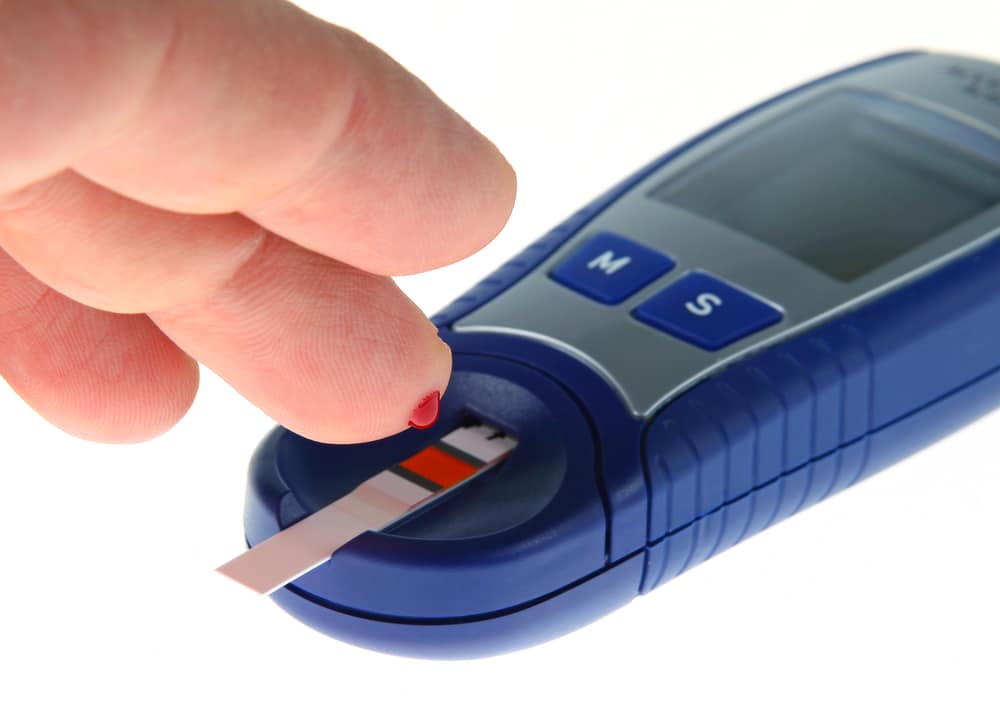
 One of the most interesting, exciting things we see in our clinic is when our patients come in week after week with improved blood sugar after decreasing their medication.
On the Help Your Diabetes program, patients receive support and weekly follow-up to reverse their diabetes. Our patients experience better blood sugar in week four than in week one (again, on less medication).
What’s going on in their bodies? The program does not get harder over the weeks. In order to explain what’s happening, we need to be on the same page about insulin resistance.
Most cells require glucose (blood sugar) to function. Without glucose we couldn’t walk, breathe, or live! Why do we need glucose? It’s used as fuel to create energy. The energy generated inside our cells is then used to drive all processes that occur in the body.
Getting glucose into your body’s cells efficiently is of primary importance! This is a problem with people with Type II diabetes. The cells and therefore the tissues of the body become resistant to insulin. Without diabetes, glucose enters cells and tissues continually and seamlessly.
What causes cells and tissues to become resistant to insulin? The answer is complex but considering how food choices have changed over the years, gives us the answer. Historically, humans obtained glucose by eating whole non-processed foods. We ate whole foods including nuts, seeds, legumes, lean meats, and vegetables grown locally.
Now, the processing of foods combined with the changes in readily available choices, like fast food, leads to spiking blood sugars which trigger adaptive cellular changes that make insulin resistance more likely. Processing foods removes many of the nutrients and antioxidants, as well as the fiber and protein that slow down glucose absorption into the blood. This increases the speed our bodies absorb carbohydrate-rich foods—leading to spiking blood sugars.
At this point you may think of your third cousin who drinks soda and eats burgers and fries all day and is thin and non-diabetic (but not necessarily healthy). There are exceptions based on a variety of known and unknown genetic factors, but most people don’t fit in this exception.
So what happens when insulin resistance occurs? It has to do with the receptor sites on the surface of our cells. Those are proteins that act as gate keepers for the cell. They control how much glucose enters the cells. It’s a protective mechanism, but when it goes wrong, it can lead to insulin resistance.
To your health,
Brian E Lamkin DO