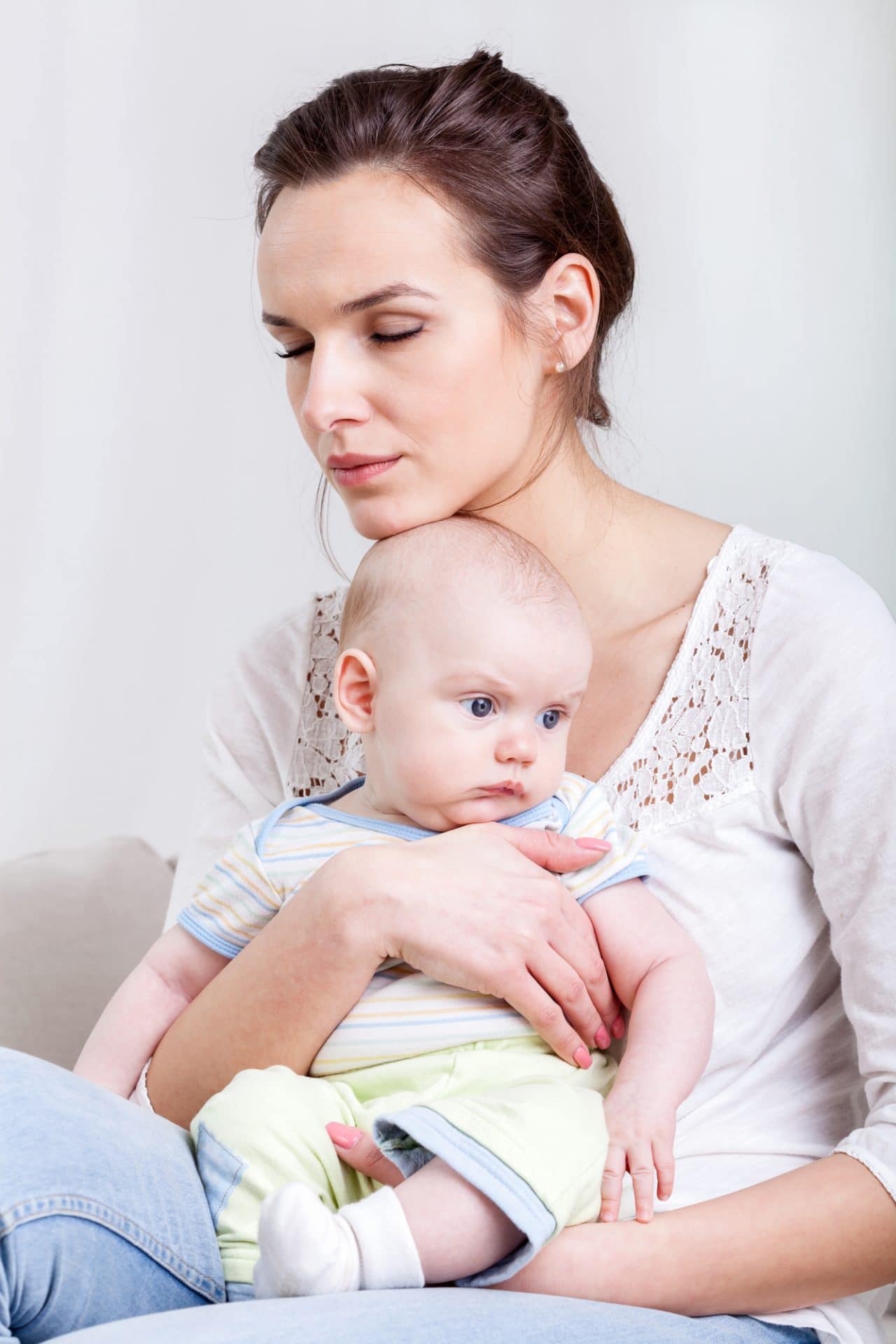
 Feeling tired? Struggling to concentrate? Have unexplained aches and pains?
These can be symptoms of a few different things, but if you’ve just had a baby, it’s worth considering whether or not you might have postpartum thyroiditis.
Postpartum thyroiditis affects about one in seventeen women in America. Pregnancy is a time of significant hormonal changes, and since your thyroid hormone affects so many of your body’s organs, any changes in thyroid hormone production can throw you out of whack.
Postpartum thyroiditis typically includes a brief period of a few months where you experience hyperthyroidism and then several months of hypothyroidism. But some women only experience hypothyroidism symptoms, and others exclusively experience hyperthyroidism symptoms.
Many women return to normal functioning within a year or two, but for some women, the hypothyroidism becomes permanent.
There are a few pre-existing conditions that can make it more likely for you to develop postpartum thyroiditis. These include:
- Type 1 diabetes
- Elevated antithyroid antibodies (even if your thyroid hormone levels are normal)
- Elevated antiperoxidase (anti-TPO) antibodies
- Postpartum thyroiditis in a previous pregnancy
There’s evidence that selenium supplements during pregnancy may help prevent this condition for some women. But you should talk with your doctor before adding selenium to your regimen to make sure it will be a good option for you personally.
Unfortunately, the symptoms of postpartum thyroiditis are often wrongly dismissed as the stresses of being a new parent so the condition often goes undiagnosed. If you are concerned you may be experiencing postpartum thyroiditis, it’s important to ask your doctor to do thorough testing of your thyroid hormone production.
If you have experienced postpartum thyroiditis, there’s a higher likelihood that you will experience it after future pregnancies. And the risk for developing hypothyroidism in the years following your pregnancy increases significantly.
That doesn’t mean you need to be overly worried—but it’s a conversation you and your doctor should have, and you should have your thyroid hormones proactively tested once a year if you’ve experienced postpartum thyroiditis.
Want to talk with a doctor who specializes in treating these kinds of issues? Give our office a call. Let’s have a conversation about your health.